Buying Guide
How to Choose the Best Camera for Your Needs
Choosing a camera can feel confusing at first, but it gets much easier once you focus on a few key things: what you want to shoot, what type of camera you want, what sensor size fits your needs, and which lenses make sense for your style.
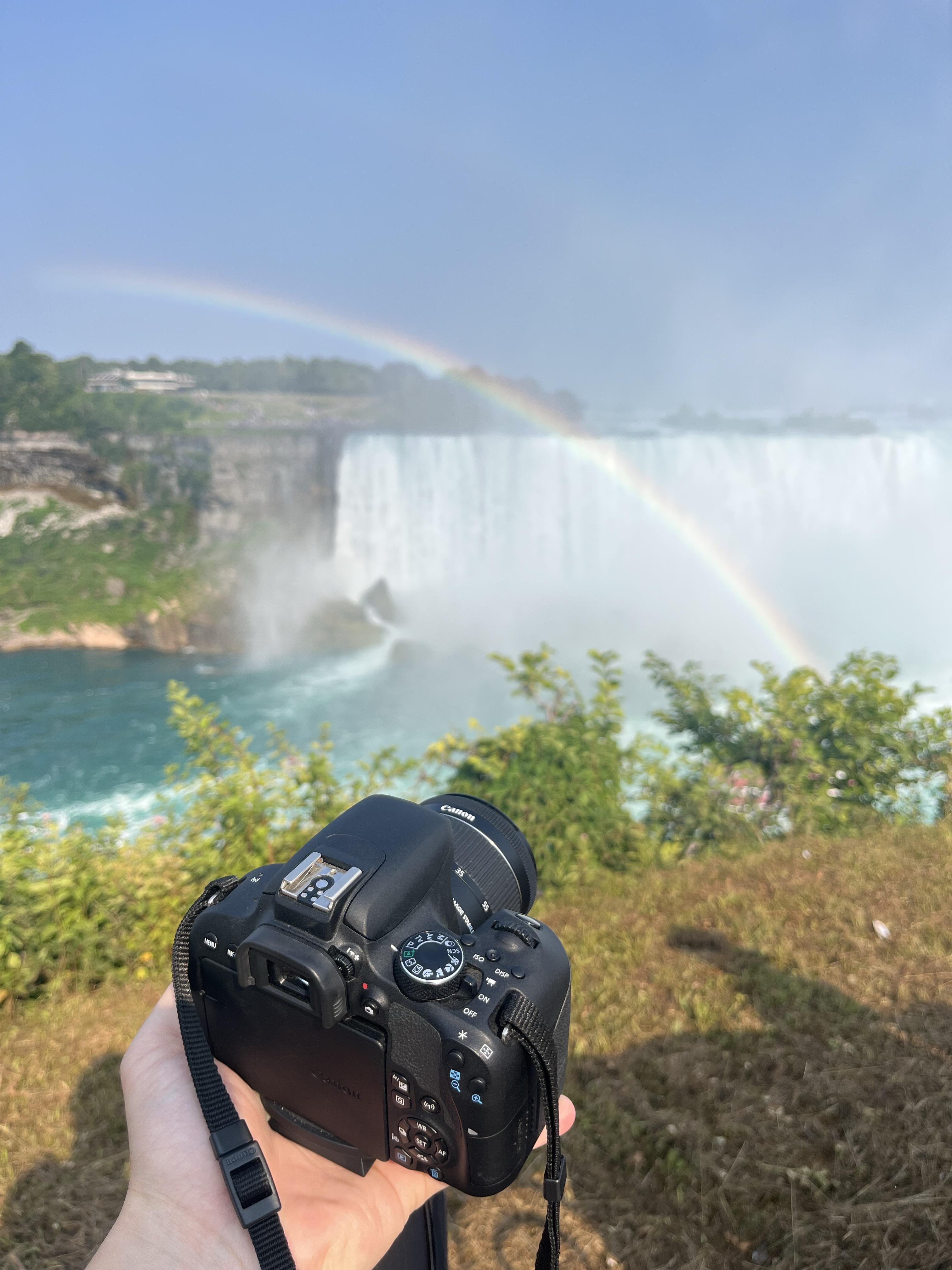
There are dozens of brands, hundreds of models, and plenty of specs that sound important but don’t always matter in real-world use. For most beginners and hobbyists, the goal is not to find the “best camera on paper.” It’s to find the camera that best fits how you actually shoot.
This guide walks through the most important things to consider so you can narrow down your options without getting lost in the details.
What Do You Want to Shoot?
Before looking at camera models, start with the kind of photography or video you care about most. Different types of shooting benefit from different strengths.
Wildlife
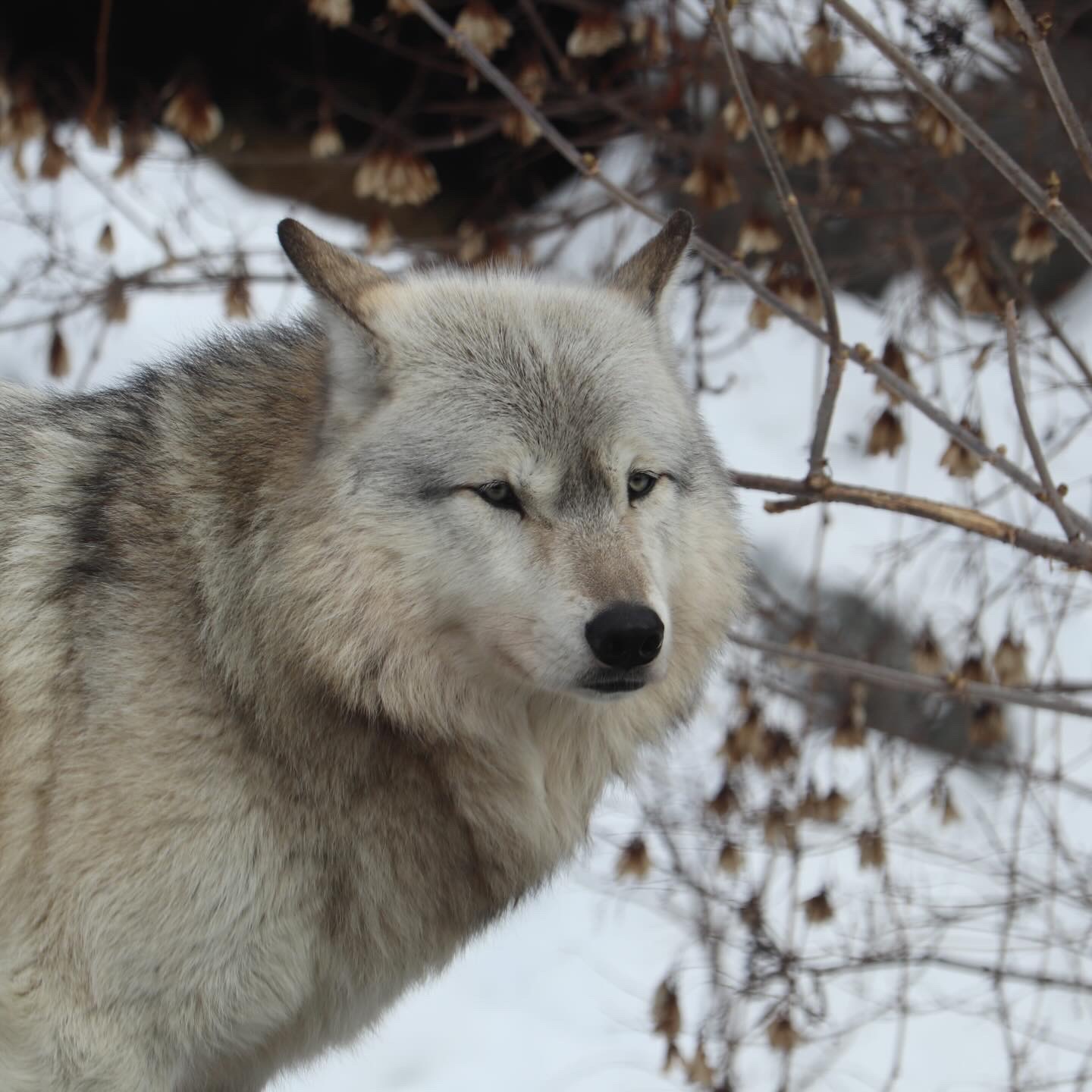
Wildlife photography often means photographing subjects that are far away, moving quickly, or both. That usually makes autofocus, burst shooting, and lens reach especially important.
- Fast autofocus helps keep animals and birds sharp
- Burst shooting increases your chances of catching the moment
- Long telephoto lenses are often essential
- APS-C cameras can be helpful because they add effective reach
Travel
Travel photography is usually about balancing image quality with portability. A camera that is too heavy or inconvenient may stay in your bag instead of being used.
- Lighter gear is easier to carry all day
- A standard zoom lens is often the most practical choice
- Smaller systems make travel simpler and less tiring
Video
If video matters to you, some features become more important than they would for still photography alone.
- Reliable autofocus during recording
- Image stabilization for handheld shooting
- A flip screen for self-recording
- Strong overall video performance and usability
Versatile / Beginner
If you want one camera that can do a bit of everything, focus on balance. You probably do not need the most specialized or expensive setup.
- Good autofocus
- Easy-to-use controls
- Solid image quality
- A useful starter lens
For many people, an APS-C mirrorless camera with a standard zoom is the strongest starting point.
What Camera Type Do You Want?
Compact Camera
Compact cameras have a built-in lens and are designed to be easy to carry and simple to use.
- Best for simplicity and portability
- No need to buy extra lenses
- Less flexible than interchangeable-lens systems
DSLR
DSLRs are still capable cameras with strong image quality and access to many lenses, especially on the used market.
- Often a strong used-value option
- Great lens availability
- Larger and heavier than mirrorless cameras
Mirrorless
Mirrorless cameras are now the default choice for many new buyers because they combine strong autofocus, excellent image quality, and modern features in a smaller package.
- Strong autofocus and modern performance
- Usually more compact than DSLRs
- The most future-focused system for most buyers
Understand Sensor Size
Sensor size affects image quality, low-light performance, overall system size, and how easy it is to get a blurred background.
APS-C
A great middle ground. APS-C cameras usually offer excellent image quality while keeping cost, size, and lens weight more reasonable.
Full Frame
Best for people who want stronger low-light performance and are comfortable with higher prices and often larger lenses.
Micro Four Thirds
A compact system that can be especially attractive for travel and video shooters who want smaller gear.
Choosing Lenses
The lens often matters just as much as the camera body. In many cases, choosing the right lens is what really determines whether a setup fits your needs.
Wildlife (Telephoto)
Wildlife photography usually calls for telephoto lenses such as 100–400mm, 150–600mm, or similar long focal lengths. These let you photograph distant subjects without needing to get close.
Standard Zoom
A standard zoom is often the most useful all-around lens for beginners. It works well for travel, general photography, and everyday use.
Landscape (Wide Angle)
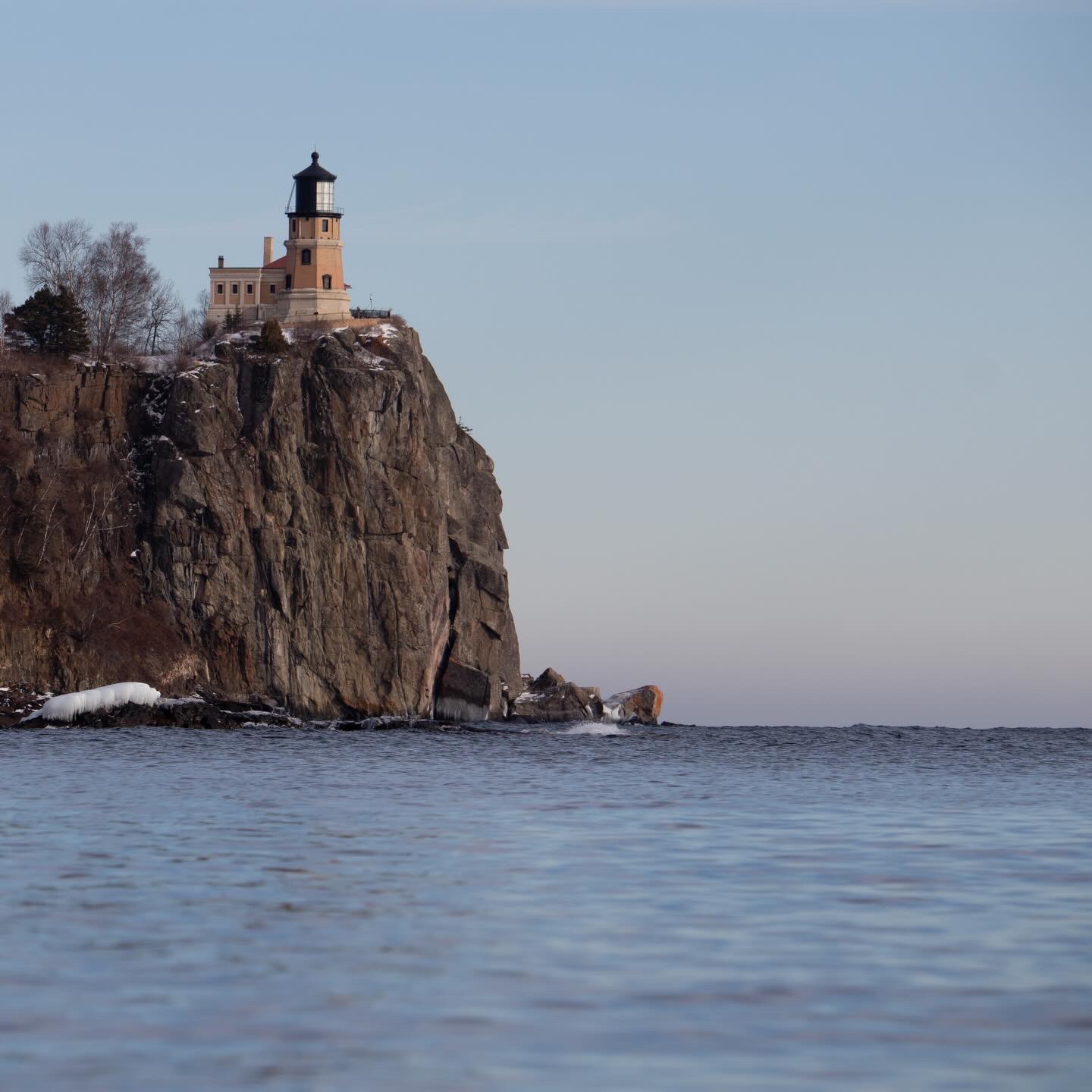
Wide-angle lenses help capture large scenes, dramatic skies, and more of the environment. They are especially popular for landscapes and architecture.
Setting a Budget
It helps to decide early whether you are shopping for a starter kit, a stronger enthusiast setup, or a long-term system you plan to grow into.
- $400–$700: entry-level kit cameras
- $700–$1200: strong beginner mirrorless setups
- $1200–$2500+: enthusiast bodies and better lenses
Also remember that lenses are often the bigger long-term investment. The body may change every few years, but lenses are what many photographers keep much longer.
Important Specs
Autofocus
Good autofocus makes a huge difference. It helps you get more sharp photos and makes the camera feel easier to use.
Burst Shooting (Wildlife)
Fast burst rates matter most when the subject is unpredictable, especially for birds, wildlife, and action.
Image Stabilization
Stabilization can come from the camera body, the lens, or both. It helps reduce blur when shooting handheld, especially in lower light or with longer lenses.
Easy Route
Even after you understand the basics, comparing camera models can still be time-consuming. A lot of cameras are close enough in specs that the real question becomes which one fits your use case best.
Narrow it down faster
Take the Camera Central Finder quiz to narrow your options, refine your choices, and compare the cameras that actually fit your needs.
Take the quiz